California Bicycle Accident Attorneys
Accidents between a car and a bicyclist almost always result in injury to the bicyclist. The violence of the collision is often matched only by how quickly insurance companies attempt to minimize the claim or deny it entirely. You’re dealing with physical wounds, pain, emotional distress, and potentially worried about the financial impacts of this accident. It can be overwhelming. This is when you contact the experienced personal injury attorneys at Oaken Injury Law.
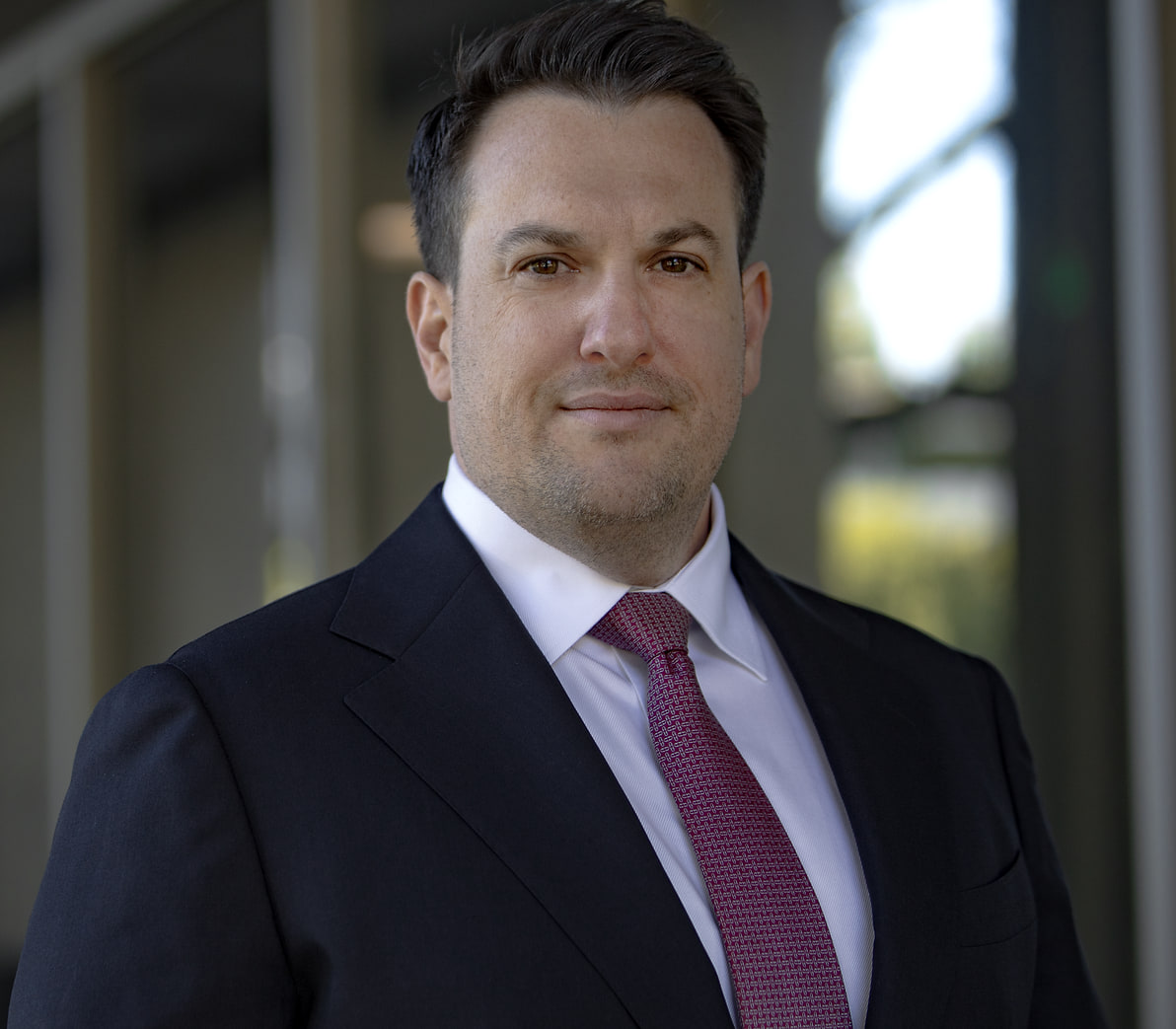
Oaken Injury Law founding partner Matthew Bradley understands how bicycle accident claims are prepared, fought, and litigated against from both sides. Before founding Oaken Injury Law, Matthew spent years as a defense trial attorney representing defendants and insurance companies in these types of cases. The experience he gained through his career in defense work now benefits our clients and shapes how we approach claims involving cyclists.
Why You Need an Attorney After a Bicycle Accident
Bicycle accident cases often involve in-depth investigations and careful evaluation of the facts.
Every bicycle accident is different.
Understanding the details of the crash, the injuries involved, and the available insurance coverage is an important part of determining how a claim should proceed.
Bicycle accident cases often involve disputes about how the collision occurred and who was responsible. In many cases, the driver and the bicyclist give different accounts of the same event, and the insurance company uses those differences to argue that the rider was partially or entirely at fault.
It’s important to hire an attorney who will do a careful review of the evidence, review the police report and help you tell the full story of the circumstances.
In some cases, accident reconstruction may also help clarify how the crash occurred and who was responsible.
A careful investigation can help show the full story of how the crash occurred before an insurance company frames the bicyclist as the problem.
Common Causes of Bicycle Accidents Across California
Bicycle accidents involving motor vehicles occur in a variety of ways. Here are some of the most common causes of bicycle accidents across California.
Vehicle turning collisions: This is a common accident scenario when a driver turns across the path of an oncoming cyclist. Drivers often focus primarily on other cars when judging when it is safe to turn and may fail to notice a cyclist approaching. Once a vehicle begins to turn into a bicyclist’s path, both the rider and the driver have just seconds to react. If they do not react in time, then an accident is likely.
Distracted driving: Texting, eating or not paying attention to the road can cause a driver to easily miss a cyclist.
Failure to yield: Drivers must yield right-of-way to cyclists at intersections and when turning. Often cyclists are struck when drivers attempt to turn through an intersection without noticing someone already crossing the street.
Dooring accidents: Dooring accidents occur when a driver or passenger in a parked vehicle opens a door directly into the path of a bicyclist without checking for oncoming traffic. A door opening directly in the path of a cyclist happens fast and is often unexpected, which leads to no time to react. Often, in door accidents, the cyclist will strike the door or swerve to avoid the door and then crash.
Unsafe passing and sideswipe collisions: Drivers sometimes drift into bike lanes or pass bicyclists too closely. When this happens, the margins for error are small, and even a slight mistake can lead to contact with the cyclist and cause a crash.
Rear-end bicycle collisions: When a driver fails to notice a cyclist or fails to judge exactly how far ahead a cyclist is from them, and fails to stop in time. Since bicycles are smaller and quieter than motor vehicles, inattentive drivers may not see a smaller bicycle in front of them until it is too late.
Roadway hazards: Not all bicycle accidents are caused solely by motor vehicle collisions. Potholes, debris, inadequate signage, broken pavement, loose gravel, uneven road surfaces, or poorly maintained bike lanes and construction zones can all create serious risks for cyclists, which can potentially cause cyclists to lose control and crash. A city, county, contractor, or property owner may be liable for the dangerous conditions causing the accident.
Impaired driving: It’s against the law to operate a vehicle under the influence of drugs or alcohol. If a driver is impaired it can slow their reaction times and decrease awareness of their surroundings which can result in an accident.
Common Injuries from Bicycle Accidents
Bicyclists will typically suffer two separate impacts in one accident:
Impact Number One: When the vehicle strikes the bicyclist.
Impact Number Two: When the bicyclist falls and hits the ground.
Because of this and the limited physical protections cyclists have, bicycle accidents will often lead to serious injuries, including broken bones and fractures, concussions or traumatic brain injuries, spinal injuries, internal bleeding and organ damage, road rash and lacerations, joint injuries, and scarring and disfigurement.
Even when a bicyclist is wearing a helmet and protective riding gear, the force of a collision can be substantial. Injured cyclists often require emergency treatment, surgery, hospitalization, rehabilitation, and lengthy recoveries.
Steps to Take After a Bicycle Accident in California
The steps taken after a bicycle accident can be important for both medical and legal reasons. While every situation is different, certain actions can help protect your health and preserve evidence.
- Seek medical attention. Your health and safety should come first. Even if an injury seems minor at first, symptoms from a head injury, internal injury, or soft tissue injury may worsen over time. Prompt medical evaluation also creates documentation of the injury.
- Report the accident. When a motor vehicle is involved, it is often important to contact law enforcement so that an official report can be created documenting the circumstances of the collision.
- Document the scene if possible. Photographs and videos of the roadway, bike lane markings, traffic signals, vehicle positions, bicycle damage, and visible injuries may become important evidence later.
- Obtain witness information. Witnesses may be able to provide valuable information about how the collision occurred.
- Preserve evidence. Damage to the bicycle, helmet, and riding gear may provide important physical evidence and should generally be preserved in their post-accident condition.
- Reach out to witnesses. If you are able and if there were any witnesses to the accident, get their contact information. Their testimony could be pivotal in establishing fault and could help your case.
- Avoid discussing the accident on social media. An insurance company can use anything you post online against you during the claim process. It’s best to refrain from discussing the accident or your injuries on social media platforms.
- Be cautious when speaking with insurance companies. Insurance adjusters may contact injured cyclists soon after the crash. It is often helpful to understand the nature of the injuries and the issues in the case before giving a recorded statement.
- Consult with a bicycle accident attorney. Bicycle accident claims can involve right-of-way issues, visibility disputes, roadway conditions, and comparative fault arguments. An attorney can help evaluate the claim, identify responsible parties, and take steps to preserve evidence early.
Compensation For a Bicycle Accident in California
The compensation available after a bicycle accident depends on the injuries involved, how the crash occurred, and the effect the incident has had on the injured person’s life. When another party’s negligence causes the collision, an injured cyclist may be entitled to recover damages for both economic and non-economic losses.
Depending on the facts of the case, compensation may include:
Medical expenses
This includes any medical costs related to your accident, from immediate emergency care to ongoing treatment or therapy.
Rehabilitation costs
This includes physical therapy, occupational therapy, and ongoing medical care needed to restore function and manage long-term recovery.
Lost income
If your injuries prevent you from returning to work immediately, or even permanently, you could recover compensation for the income you’ve lost and any future earnings affected by your injuries.
Pain and suffering
This pertains to the physical pain and emotional distress the accident caused you. While these losses are more challenging to quantify than medical bills or lost wages, pain and suffering can significantly impact your quality of life.
Emotional distress
If your injuries prevent you from enjoying hobbies, recreational activities, or any other pursuits that previously brought you joy, you could recover compensation for this loss.
Property damage
You can pursue compensation for damage to your bicycle or any other personal property destroyed in the accident.
In more serious cases, the damages may also include the long-term impact of the injuries on mobility, independence, recreation, and daily life.
Speak With an Experienced Bicycle Accident Attorney Today
If you have been injured in a bicycle accident and are unsure what steps to take next, speaking with an attorney from Oaken Injury Law can help bring clarity to the situation.
At Oaken Injury Law, we understand that calling an attorney is a personal decision and should not be treated as just another call.
Our commitment to our clients and prospective clients is simple: if you call Oaken Injury Law, you will speak with an attorney. An attorney at our firm will take the time to understand what happened, explain your options clearly, and help you decide how to move forward.